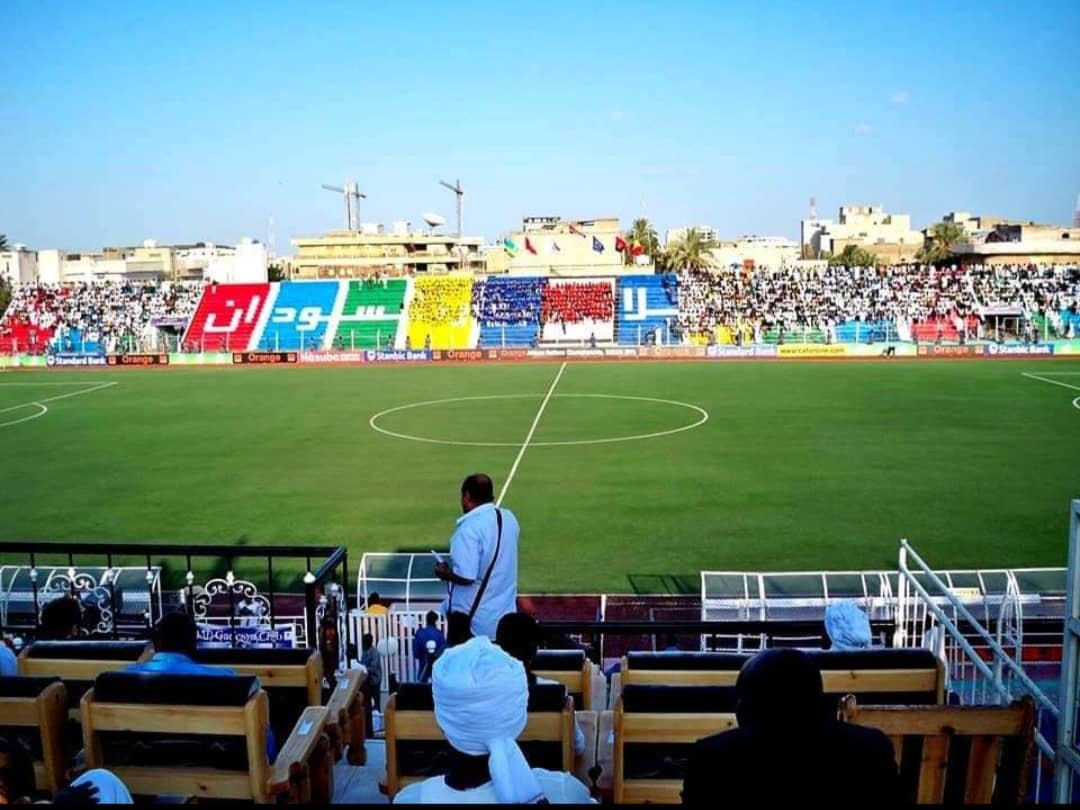


Limited Public Engagement with Women's Football: A Shared Responsibility to Promote the Sport and Empower Women in Africa
Developing women's football
is not solely the responsibility of players, coaches, or sports federations; rather, it reflects the extent to which
society as a whole is committed to supporting women and providing them with opportunities in the realm of sports. Low public and media attendance at women's football competitions remains a challenge requiring collaboration among governments, sports institutions, the media, the private sector, and civil society.
While the African continent is witnessing notable progress in women's football, this advancement requires greater support from various stakeholders. Such support is essential for the sport to become a genuine vehicle for empowering women, promoting equal opportunities, discovering talent, and inspiring new generations of girls.
The Women's Africa Cup of Nations serves as a vital opportunity to showcase the capabilities of African female players and encourage families and communities to support girls' participation in sports. It also highlights the positive role football can play in fostering peace, cooperation, and coexistence among African peoples.
Achieving this goal requires the concerted efforts of all stakeholders—including governments, national football associations, ministries of sports, educational institutions, the media, private sector companies, civil society organizations, and influential sports figures—to create a supportive environment that fosters the sustainable development of women's football.
Furthermore, investment in women's sports extends beyond athletic achievement; it yields positive socio-economic impacts, strengthens women's roles in leadership and decision-making, and creates new opportunities in coaching, refereeing, sports administration, and sports media.
To secure a better future for women's football in Africa, efforts should focus on:
* Enhancing women's participation in sports institutions and leadership positions.
* Encouraging girls to play football from an early age.
* Supporting training and qualification programs for female referees, coaches, and administrators.
/>* Increasing media coverage of women's tournaments.
* Building partnerships among governments, sports federations, and the private sector to support women's sports.
* Combating all forms of discrimination against women in the sports sector.
* Leveraging sports as a means to foster peace, unity, and cooperation among African nations.
The success of women's football in Africa is not the responsibility of female players alone; it is a collective responsibility requiring commitment from everyone. Every step taken to support women's sports is an investment in a brighter future for girls and women, as well as in community development and the strengthening of unity among the continent's peoples.
Women's football is more than just a sporting competition; it is a message of hope, a platform for women's empowerment, a bridge connecting peoples, and a driver of development and peace in Africa.